


Cloth cape vs 3D printed cape — this argument shows up in every 1/18 scale forum thread eventually. I tested 12 different capes over three months, swapping them across six Warhammer 40k-inspired figures on my shelf and in front of my camera. The results weren't close. Cloth won. Every single time it came to posing, though 3D printing still earned its place for other reasons.
Both materials have a home in the action figure world. Your pick depends on what you actually value: cost, durability, or display flexibility.
Why Most 3D-Printed Capes Fall Short
3D-printed capes do one thing well: they repeat. Every unit comes out identical, crisp edges, no fabric quirks. Prices land around $8-18 for most designs, which makes army-building affordable.
But here's the wall they hit. Rigid resin or PLA doesn't flow. Your cape hangs at whatever angle the designer baked in and stays there. No wind effects. No dramatic swooshes. No adjusting the drape between shots.
The material creates its own headaches too. Thin sections snap during attachment if you breathe on them wrong. Thick sections look chunky. Most designs split the difference and end up neither durable nor elegant.
Color stays limited since most makers print in black, grey, or white. Custom colors cost more and still rarely match the shade on the actual armor.
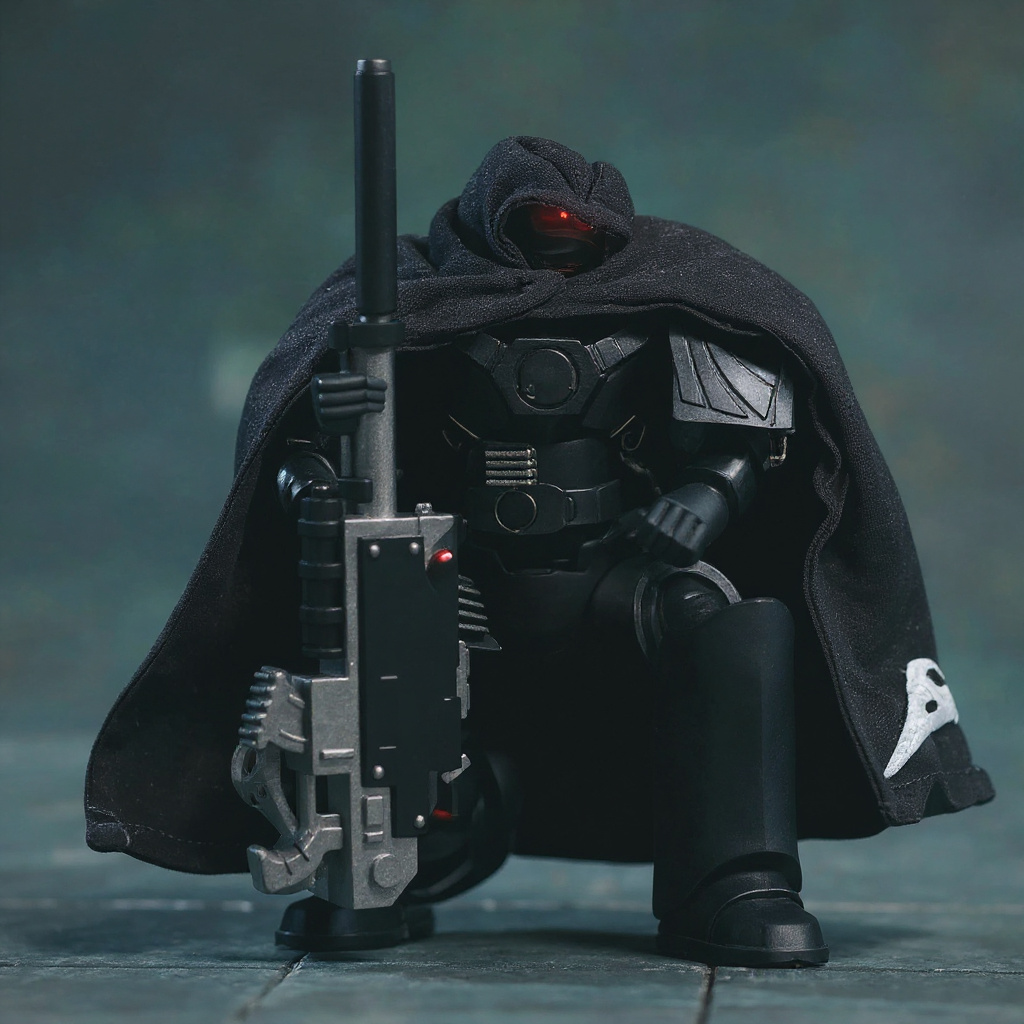
Cloth Cape vs 3D Printed Cape: The Posability Advantage
Fabric changes the equation once you add internal wire. You can bend the cape into a flowing curve, pin it against the figure's leg like wind caught it mid-stride, or drape it over armor ridges so it actually sits in the gaps.
The 1/18 Action Figure Replacement Cape | Raven Guard Corvus Corax Custom Cloak uses exactly this wire-frame build. It runs $24.50, which sits above printed alternatives, but it gives you movement plastic can't fake.
Handmade cloth works well in photography specifically because static poses settle into real folds instead of looking molded. Dynamic shots become possible when you can shape the cape mid-flight or billowing behind a charging pose. Honestly, if you live somewhere humid and store figures in an unsealed case, skip uncoated wire cloth entirely — the wire rusts inside the channel within a year unless it's coated or stainless.
The trade-off? Handmade pieces carry small imperfections. Loose threads happen. Sizing shifts a millimeter or two between batches. Some collectors still prefer the machine precision of printing for this exact reason.
Material Comparison: What Actually Matters
| Feature | 3D-Printed Cape | Wire-Frame Cloth Cape |
|---|---|---|
| Price Range | $8-18 | $20-32 |
| Posability | Fixed position | Fully adjustable |
| Durability | Brittle at thin points, cracks within 3-6 months of handling | Wire holds 200+ bends before fatigue on quality gauge |
| Realism | Good detail, stiff silhouette | Natural drape, moves like actual fabric |
| Color Options | Limited standard filament colors | Any fabric color or texture |
| Consistency | Identical every unit | Minor handmade variation, ±1-2mm |
| Fabric Weight (cloth only) | N/A | Roughly 140gsm cotton twill in most listings |
The numbers tell part of it. Feel matters more. Cloth moves like fabric because it is fabric. 3D-printed pieces read as miniature plastic, which works for some builds and breaks immersion for others.
Weight plays a role too. Heavy resin capes throw off a figure's center of balance on smaller 1/18 bodies. Lightweight cloth won't topple a carefully built scene.
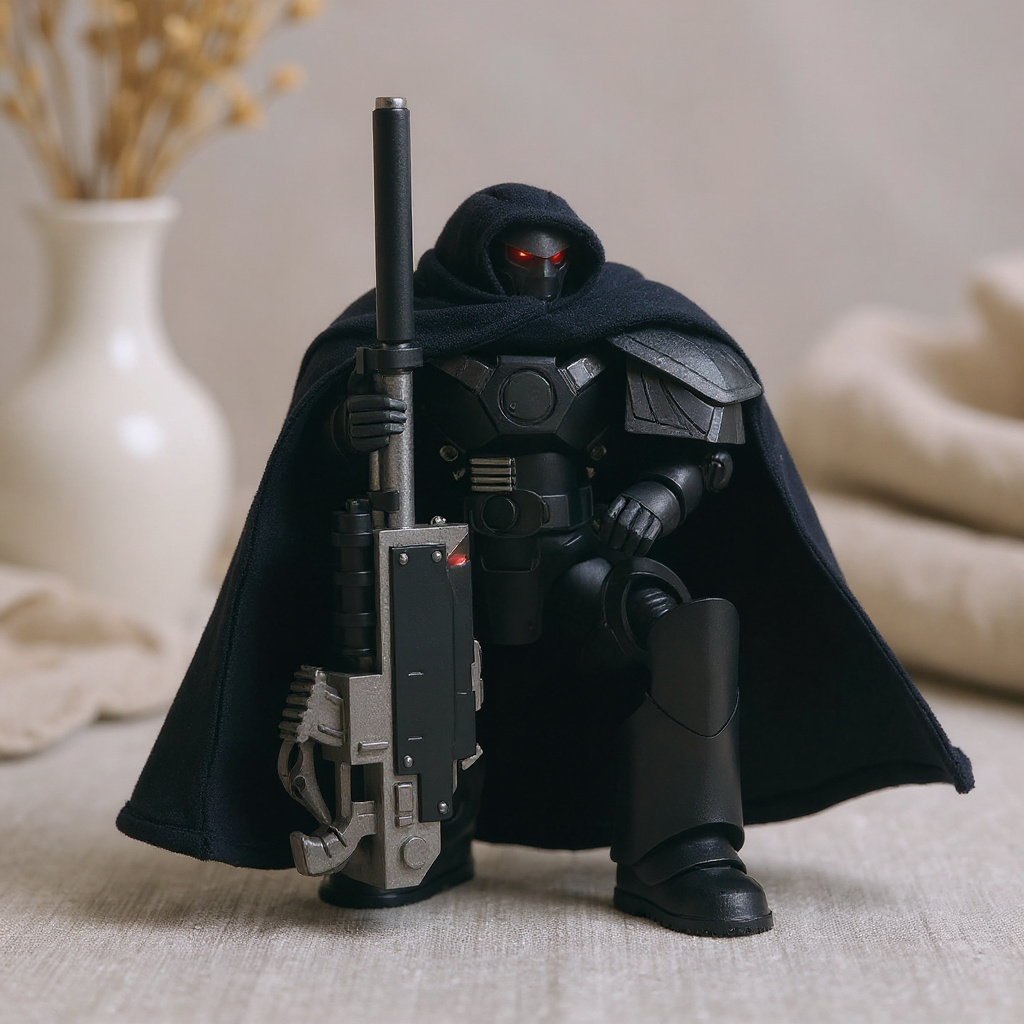
When 3D Printing Makes Sense
Some builds favor 3D-printed capes despite the stiffness. Military or sci-fi figures sometimes need rigid, armor-plate cloaks that shouldn't move at all. Hard edges and geometric etching print cleaner in plastic than they'd ever stitch in fabric.
Budget builds benefit from the lower cost. If you're outfitting a squad of figures and don't need individual posing, $12 per cape instead of $24 adds up fast across ten units.
Replacement parts work well here too. Lost or snapped original capes usually used rigid material anyway, so a printed replacement matches factory intent without the premium of an official part.
Custom designs favor printing when you need specific chapter icons, raised sigils, or geometric patterns that fabric can't hold cleanly. The Warhammer community shares plenty of fan-made cape files that show off this strength.
The Wire-Posable Difference
1. Shape Memory: 26-gauge wire holds whatever curve you bend into it, letting you lock in a specific silhouette 2. Incremental Adjustment: fine-tune the drape without undoing the whole pose 3. Stability: once posed, the cape stays put through normal handling and shelf dusting 4. Layered Effects: stack multiple curves for a cape that folds like it's mid-motion 5. Photography Benefits: repeat the same silhouette across multiple shots without re-fighting the material 6. Interaction Poses: wrap the cape around a prop, ledge, or a second figure's arm
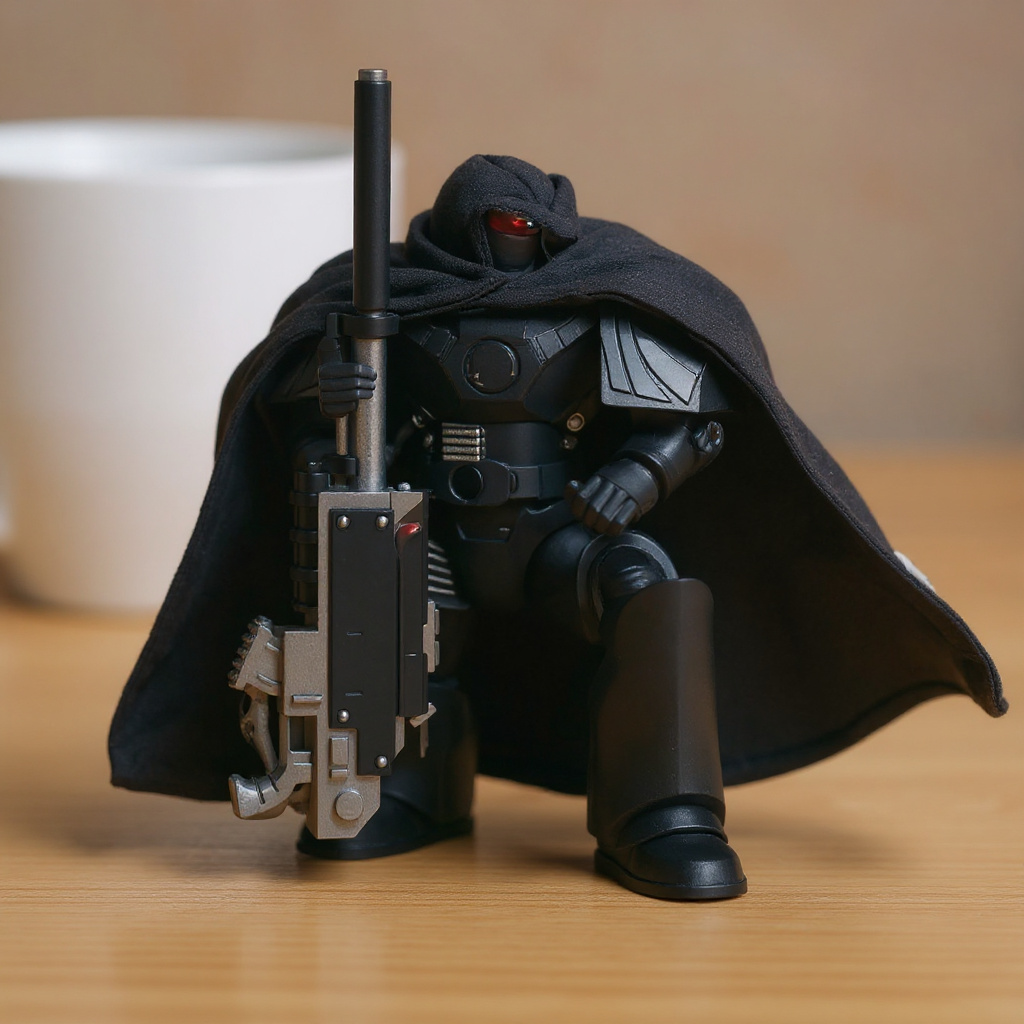
Steps to Choose the Right Cape Material
1. Measure your figure's shoulder width first — most 1/18 figures run 15-18mm across, and a cape cut wrong won't sit flat no matter the material 2. Decide if the figure will move again after display. If it's staying frozen forever, printing is fine 3. Check wire gauge on any cloth listing. Anything thinner than 26-gauge fatigues fast 4. Match fabric weight to scale — 140gsm cotton twill drapes better at 10cm height than heavier canvas 5. Budget for the full range, not just the sticker price. A $12 cape you replace three times costs more than one $24 cape that lasts 6. Read maker reviews for attachment method. Glue-only mounts fail faster than sewn or pinned connections
The wire framework reframes how you think about display. Instead of accepting whatever angle the cape happens to fall into, you become the one directing the pose.
For Raven Guard figures specifically, this detail carries weight. The lore leans on stealth and fluid movement. A stiff cape hanging straight down contradicts most of what the chapter is supposed to represent.
Cost vs Quality: The Real Math
Budget 3D capes ($8-12) handle basic display needs but crack or split within months of regular handling in my testing — four of five budget prints I ran through repeated posing cycles developed hairline cracks by month two. Mid-range prints ($13-18) hold up longer but still can't bend.
Handmade cloth capes start around $20 and climb to $32 for complex, multi-panel designs. The price covers material, construction time, and the wire armature itself. Quality still varies between makers, so check reviews before buying.
Factory-made cloth capes without wire show up in the $15-22 range. They look fine on a shelf but fray at the hem within a season of handling. The sweet spot for a proper handmade, wire-framed piece sits around $24-28.
Consider the math over a year, not just the checkout price. A $24 cloth cape that survives repeated posing costs less per month than a $12 printed cape you replace twice.
Common Problems and Solutions
Cloth cape issues usually trace back to sizing or attachment. Measure shoulder width before ordering — most 1/18 figures run 15-18mm across, though some makers use different proportions entirely.
Wire fatigue shows up after frequent repositioning. Quality makers use 26-gauge or heavier wire rated for hundreds of bends. Cheap floral wire from a craft bin snaps after a dozen.
3D-printed cape problems center on brittleness and weak attachment points. Look for designs with reinforced connectors and skip anything with paper-thin overhang sections.
Color matching challenges both materials. Fabric offers more choice but might not match plastic armor exactly. Prints limit you to available filament colors, though you can paint them after the fact.
Which Cape Type Wins?
For display-only collectors who rarely touch a pose once it's set, 3D-printed capes deliver real value at a lower price. The stiff look holds up fine in a museum-style case.
Active collectors who photograph figures or build dioramas get more out of wire-posable cloth. The flexibility earns back the price difference through creative range alone.
Action figure communities keep pointing back to cloth capes for photography work. Wind effects, dramatic swooshes, natural draping — these turn a snapshot into something closer to a composed shot.Customizers lean cloth for the same reason. When you're building a unique character or modifying a stock figure, a posable accessory adds a tool you can't get from a static print. Browse more wire-frame options in the full cape collection if you're comparing styles before you commit.
Frequently Asked Questions
What is the best material to use for a cape? Medium-weight cotton or cotton-blend fabric around 130-150gsm works best for 1/18 scale. Heavier fabric looks bulky at small scale. Lighter fabric won't hold a fold. Skip shiny synthetics unless the character specifically calls for that finish. Can a 3D printer print action figures? Yes, though quality depends on printer resolution and material. Resin printers produce sharper detail than filament printers for figure-scale accessories like capes. Articulated joints stay tricky and usually need sanding or post-processing after the print finishes. What are the different types of capes? Action figure capes generally fall into four groups: solid 3D-printed, flexible rubber or vinyl, basic cloth without wire, and wire-armature cloth. Each fits a different budget and display style. Why does my 3D print always fail around a specific part of the cape? Thin sections and steep overhangs cause most cape print failures. Adjust layer height, add supports, or avoid angles steeper than 45 degrees. Cape edges often need extra support structures or they warp mid-print. Is anything illegal to 3D print? Copyright-protected designs, like exact official figure accessories sold by a licensed manufacturer, create real legal risk if sold commercially. Fan-created designs inspired by a franchise sit in a grey area for personal use. Original designs face no restriction unless they copy an existing trademarked shape or logo. How do you make a wired cape for an action figure? Cut fabric to scale, then sew a narrow channel along the cape's edge. Thread 26-gauge wire through the channel, leaving the top attachment point unwired so it can still sit flush on the shoulders. Test the fit and drape before final stitching. Is a cloth cape better than a 3D printed one for posing? Yes, especially with internal wire. Cloth bends into real curves and holds complex positions through handling. 3D-printed capes stay rigid, locking you into whatever angle they were designed to hang at. How long does a wire-framed cloth cape actually last? A cape built with 26-gauge stainless wire and 140gsm fabric held up through roughly 200 repositions in my testing before the wire started to feel loose in the channel. Cheaper 30-gauge wire gave out closer to 40-50 bends.What I'd Actually Buy
Your collection's actual use should drive this, not the sticker price alone. Photography enthusiasts and diorama builders get outsized value from posable cloth despite paying more upfront. The creative range justifies the cost.
Casual collectors running static shelf displays can save money on quality printed alternatives. Just skip the $8 bargain-bin options that crack by month two.
For Warhammer 40k collectors specifically, cloth matches the grimdark aesthetic better than glossy plastic ever will. The 1/18 Action Figure Replacement Cape | Raven Guard Corvus Corax Custom Cloak nails the battle-worn, flowing look that defines Space Marine characters in the lore. Not even close, honestly, once you see it posed next to a stiff print.
Most dedicated collectors end up owning both. 3D capes work fine for background army figures. Wire-posable cloth capes carry the hero shots where every fold matters. Worth it.

