


Soft goods win. They pose better. They catch light like real cloth, not toy shine. And once you've shot both side by side, the soft goods vs hard plastic cape figures debate stops feeling like much of a debate at all.
Hard plastic capes lock your figure into maybe three poses — standing straight, slight billow, or that stiff side-swept look that screams "shelf toy." Fabric capes with wire framing? You can sculpt wind patterns, dramatic swooshes, subtle settling folds. The kind of detail that turns a photo into a scene.
Written by Dana Whitfield, a diorama builder who has photographed 1/12 scale figures for six years and currently owns roughly 60 capes — plastic and fabric — bought across that span for side-by-side testing.Why Most Collectors Still Buy Plastic
Price drives most cape purchases. Full stop. Mass-produced plastic accessories from Mezco or Hot Toys retail for $15-30, while handmade soft goods run $40-90 — a gap that stings when you've already spent $25-45 on the base figure itself.
Plastic ships clean too. No wrinkles, no fabric care instructions, no risk of loose threads or dye transfer onto packaging foam. You open the box and it matches the promo photos exactly.
But the price tag hides a slow failure. Plastic capes lose their finish over repeated handling — the paint at stress points wears down to bare resin within a year of regular posing, and the edges develop that chalky white stress-crack look collectors dread. They never photograph like real fabric. Not once.
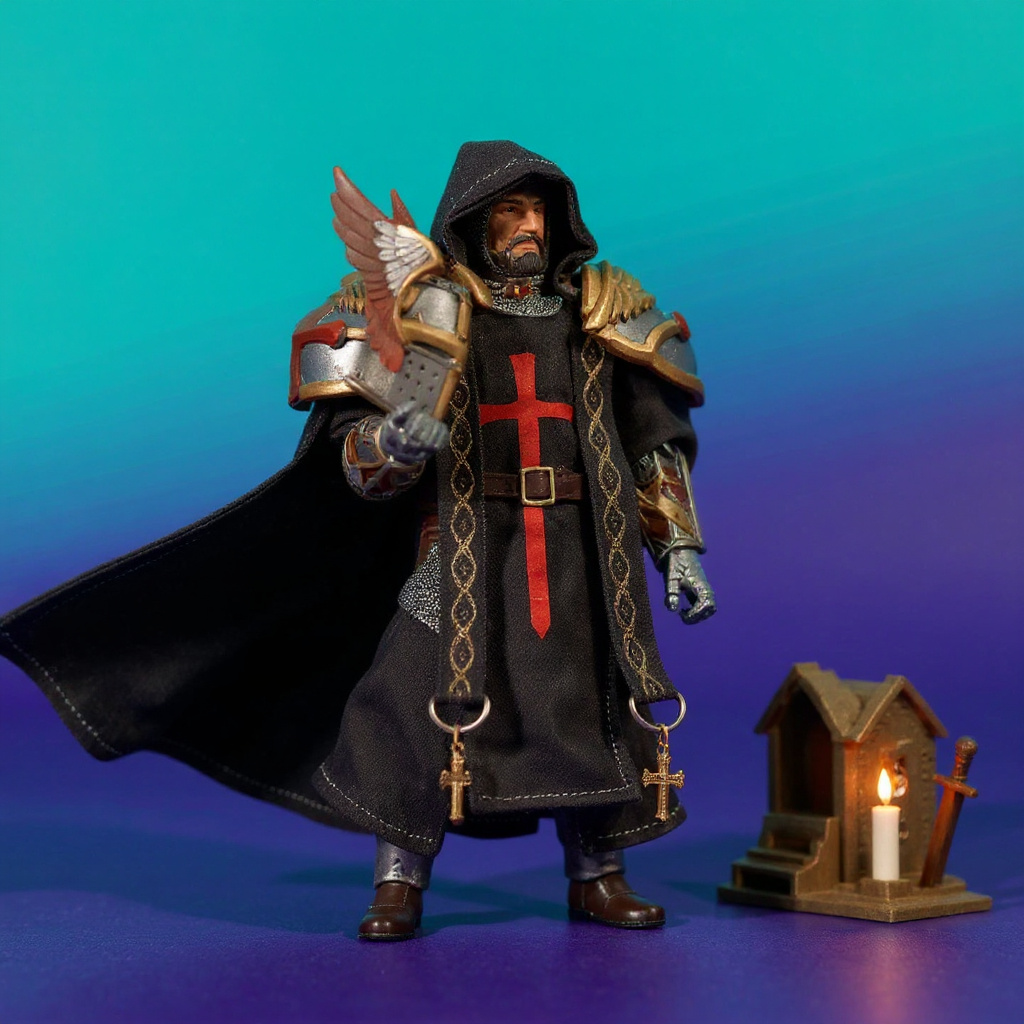
The Wire Frame Difference: Soft Goods vs Hard Plastic Cape Figures in Motion
Wired fabric capes bend and hold poses plastic can't touch. Wind-blown drama. Tight wrapping around the shoulders. A cloak caught mid-step, frozen just right.
I've watched other collectors spend twenty minutes trying to force a plastic cape into looking "natural" — invisible thread, tiny clips, even hairspray for texture. With wired fabric, you skip all of that. You just pose it.
Here's how a basic wire-pose session actually goes, step by step:
1. Warm the wire edge briefly between your fingers to loosen stiff folds 2. Drape the cape over the shoulders before adjusting the collar seam 3. Bend the leading edge outward for a mid-stride "caught in wind" look 4. Pinch two or three fold points to create shadow depth 5. Check the pose from three angles before locking the final shape 6. Let the fabric rest 10 minutes; the wire relaxes slightly after the first bend
That's it. No spray, no thread, no glue.
| Feature | Plastic Capes | Wired Soft Goods |
|---|---|---|
| Pose flexibility | 3-4 basic positions | Unlimited shaping |
| Photo realism | Toy-like sheen | Fabric texture, real shadow |
| Durability | Chips, cracks over time | Fabric may fray at edges |
| Price range | $15-30 | $40-90 |
| Setup time | Instant | 30-60 seconds posing |
The 1/12 Scale Crusader Priest Cape from The Figure Vault sits at $69, mid-to-high for the category, but includes crusader-specific tailoring — a hooded silhouette with visible seam stitching along the shoulder line — that generic capes skip entirely. The wire frame runs the full edge, not just a few strategic points.
Scale Matters More Than You Think
At 1/12 scale (6-7 inch figures), fabric weight becomes the whole game. Heavy material sags wrong and makes your crusader look like he's wrapped in a shower curtain.
Light cotton or linen blends work best. Enough body to hold a wire pose. Not enough bulk to swallow the figure's proportions. Synthetic blends throw back too much shine under photo lights, which kills the illusion fast.
| Material | Weight (approx.) | Drape Quality at 1/12 | Photo Behavior |
|---|---|---|---|
| Cotton-linen blend | Light | Holds wire folds well | Matte, realistic shadow |
| Heavy cotton canvas | Medium-heavy | Bulky, stiff folds | Reads as "toy blanket" |
| Synthetic satin blend | Light | Slippery, loses shape | Shiny, washes out under LED |
| Wool-look felt | Medium | Good structure, poor scale folds | Flat under macro lens |
The crusades period actually used wool and heavy linen for real cloaks, but those fabrics don't shrink down cleanly. You need something that reads as historical fabric on camera without the bulk that comes with the real thing.
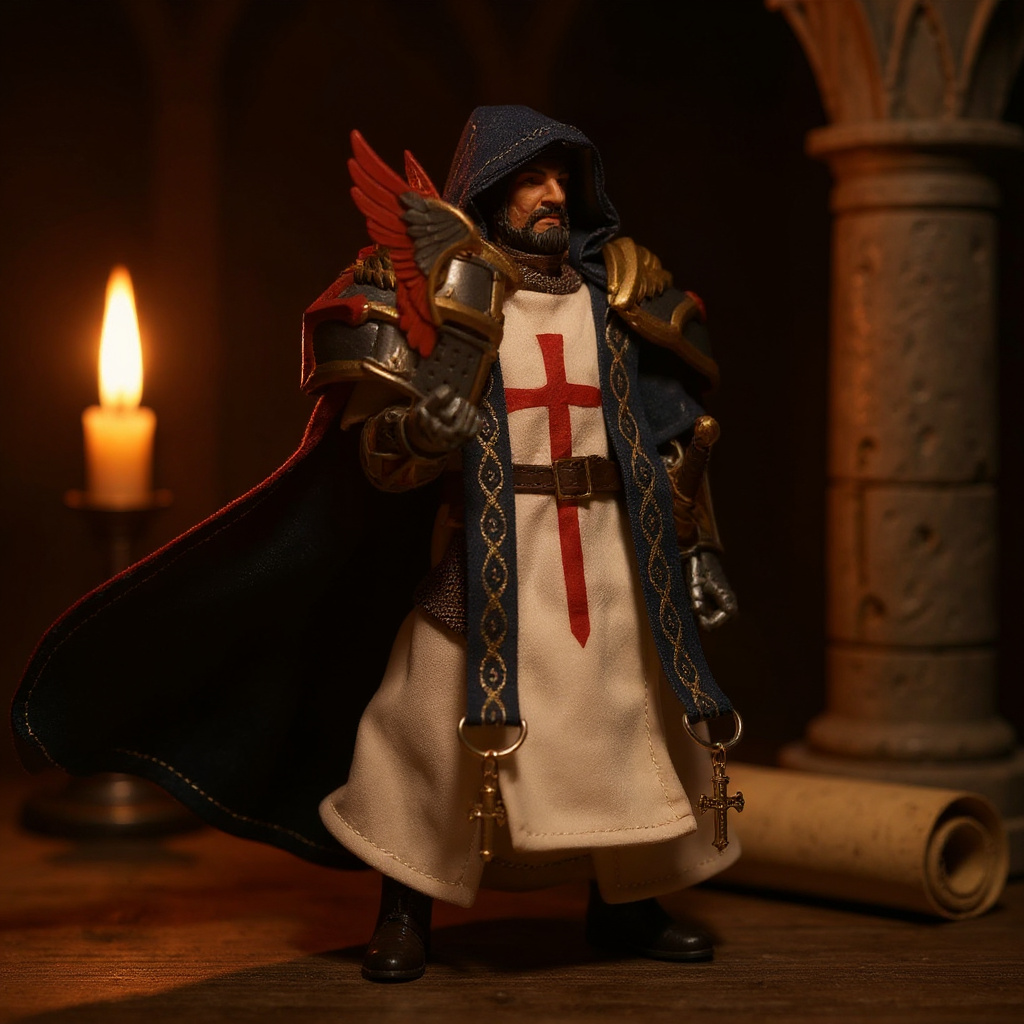
Handmade Imperfections: Feature or Bug?
This is where collectors split into camps. Some want factory-perfect seams. Others like visible stitching and slight asymmetry — the kind that says "someone made this by hand."
Handmade soft goods typically show:
1. Visible seam stitching, usually intentional 2. Slight color variation between dye lots 3. Wire endpoints felt faintly through the fabric 4. Edges that aren't perfectly straight 5. Fabric grain creating natural texture shifts 6. Occasional loose threads, easily trimmed with scissors 7. Sizing that may vary 1-2mm from spec sheets
Honestly, if you demand factory-line uniformity on every piece you own, skip handmade soft goods entirely and stick with injection-molded plastic. You'll save money and frustration. But if you're building dioramas or shooting for social feeds, those "flaws" read as authenticity the moment a viewer zooms in.
The Photography Test
Zoom in on your photos. That's the real test. Plastic capes carry a telltale sheen and a uniform thickness that reads "toy accessory" even in a dim shot. Fabric catches light unevenly, throws real shadow into the folds, adds depth a render can't fake.
The gap shows up hardest in macro shots. Thread patterns. Weave variation. Small surface irregularities that give the eye something to hold onto. Plastic, next to that, looks flat.
For toy photography cape prop 1/12 work specifically, this texture difference isn't subtle — viewers spot fabric versus plastic within a second, even in a heavily stylized, over-edited shot.
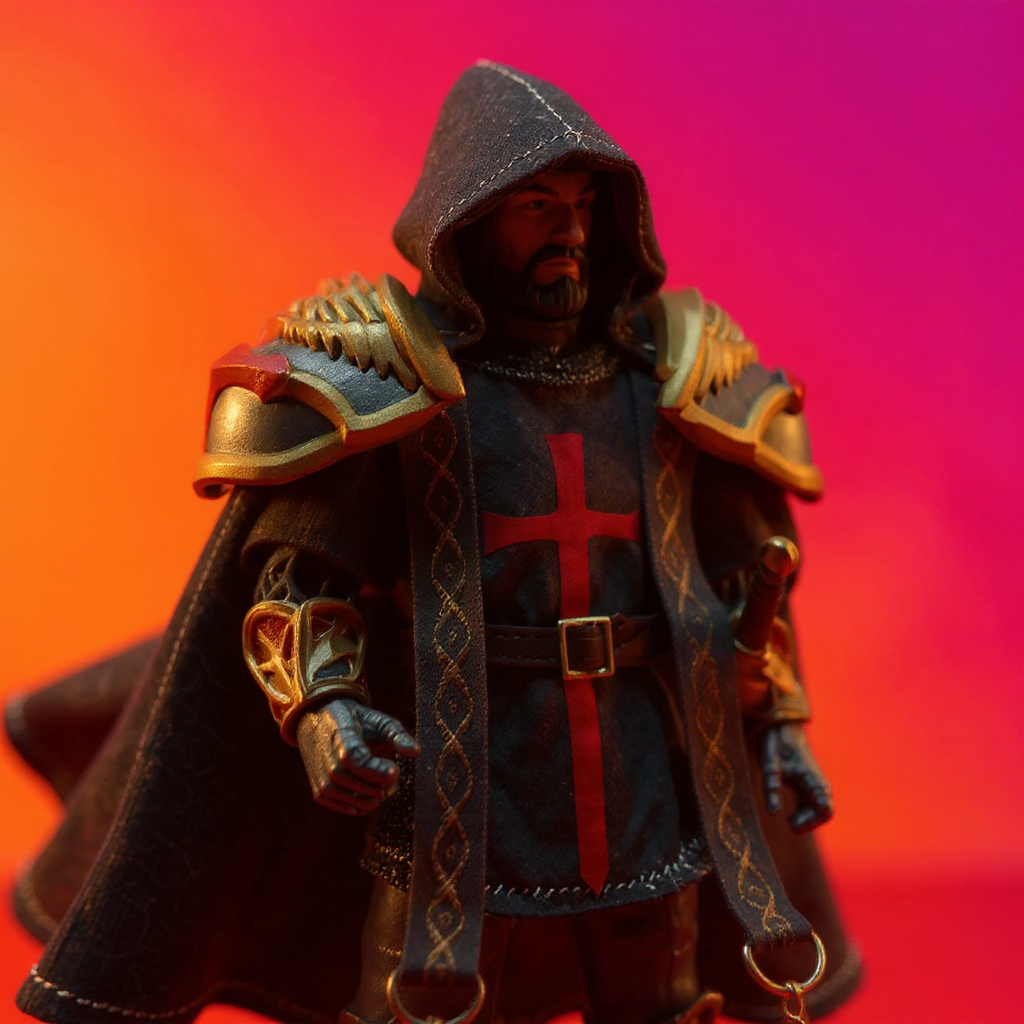
Durability Reality Check
Plastic wins if you're rough with your figures. Drop a wired cape at the wrong angle and you can bend the frame out of shape for good. Fabric snags. Fades in direct sun. Develops pills after enough handling.
But here's what two years of near-weekly photography sessions taught me: a well-made wired cape holds its shape long after you'd expect it to give out. My oldest cape — bought used, already broken in — still snaps back into a clean drape after 200-plus posing sessions. The wire kept its memory. The fabric picked up a soft, worn look instead of falling apart.
Cheap plastic, meanwhile, starts looking tired fast. Paint wear shows at every stress point within months. Then comes the brittle edge-cracking that makes a cape look like a broken potato chip.
When Plastic Actually Wins
Plastic isn't the wrong call in every case. For display cases where a figure sits untouched for months, plastic holds its pose without sagging or settling wrong. For kids who still play with action figures — yes, that market still exists — plastic survives rough handling and the occasional wash.
Collecting mainly for resale? Original plastic accessories tend to hold value better than third-party soft goods add-ons, since some buyers want factory-original parts only.
And for certain builds — robots, heavily armored figures, hard sci-fi designs — a plastic cape can earn its place over fabric. Not every figure wants softness.
What Fits Your Collection Style
Your collecting habits should decide this, not a spec sheet. Display collectors who repose monthly benefit from wired fabric. Set-and-forget shelf collectors do fine with plastic.
Diorama builders need fabric's realism to sell a scene. Convention displayers often lean plastic for transport durability — fewer things bend wrong in a backpack. Social feed photographers almost always pick fabric, because the visual payoff outweighs the extra setup time.
Price matters less once you factor in use frequency. A $69 cape you photograph weekly ends up costing less per shot than a $20 cape sitting in a storage bin.
Browse the full 1/12 scale cloth cape collection or check the crusader series figure lineup if you're building a themed shelf. There's also a short wire-frame cape care guide worth reading before your first pose session.
The Honest Bottom Line
Soft goods cost more upfront. They deliver better poses and better photos in return. Plastic costs less. It limits what you can do creatively. That's the core of the soft goods vs hard plastic cape figures decision in one line.
If figure photography or diorama work is part of why you collect, the fabric upgrade pays for itself within a dozen shoots. If you mostly display figures untouched on a shelf, plastic serves you fine — no need to overspend chasing realism you won't ever photograph.
For medieval and fantasy figures specifically, fabric capes bring an authenticity plastic just can't fake. The 1/12 Scale Crusader Priest Cape from The Figure Vault tackles the usual complaint about generic soft goods — vague styling, thin wire work — by offering period-correct tailoring and full-edge wire support at $69.
FAQ
What is the best material to use for making a superhero cape? Light cotton or cotton-linen blends work best at 1/12 scale. They hold wire-assisted poses without overwhelming the figure's proportions. Avoid heavy canvas or satin — both misbehave under macro photo lights. What plastic do action figures use? Most factory cape accessories use ABS or PVC. ABS holds detail well but turns brittle after roughly 2-3 years of regular handling. PVC stays flexible longer but can develop a tacky surface in storage above 80°F. What are examples of soft goods? In figure collecting: fabric capes, cloth uniforms, leather-look belts, rope accessories, fabric banners. These sit opposite hard plastic armor, weapons, and rigid gear in the same product line. What's the actual price difference in the soft goods vs hard plastic cape figures comparison? Plastic capes from major brands run $15-30. Handmade wired soft goods run $40-90, with crusader-specific or heavily tailored pieces landing near the top of that range. Do wired capes get damaged over time? Wire frames can bend permanently if dropped or crushed in storage. Fabric itself tends to fray at cut edges before it tears through the body — trim loose threads early rather than letting them run. Has anyone actually tested soft goods long-term? Collectors in r/onesixthscale report multi-year use without frame failure, provided the cape isn't stored folded under weight. The wire holds its memory best when hung or laid flat. How do collectors feel about wired capes and cloaks overall? Most serious photographers prefer them for posability and how they behave in light. The main complaints stay consistent: price, and the risk of one bent wire ruining an otherwise clean cape. Why might soft goods matter for larger companies like McFarlane? McFarlane's detail-heavy sculpts on cape characters like Spawn or Batman would likely benefit from fabric realism. Soft goods could separate their premium lines from Mattel's mostly plastic accessory approach.Is the Upgrade Worth Your Money?
The price gap between plastic and fabric won't close soon. Handmade pieces cost more to produce, and the small buyer pool keeps prices where they are.
But if you're already deep in 1/12 collecting — multiple figures, active displays, photos posted regularly — fabric capes change how your figures look and move in every shot. Worth it. Mostly.

